
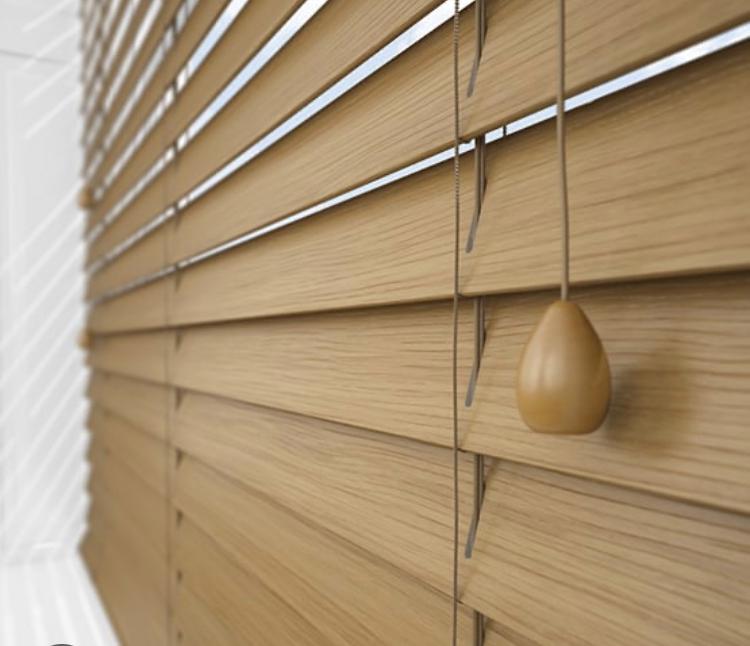
The single biggest visual choice on a shutter — bigger than colour, bigger than material. Larger louvres mean better views and a more modern look; smaller louvres mean a traditional Café-style feel and more privacy. Here's what each size actually suits.
47mm — Café and traditional
The smallest louvre we fit. Looks period-appropriate on Victorian terraces and townhouses, and works well for café-style (lower-half) shutters where the louvre lines need to read as decoration. Tight light control. Best for: Victorian terraces, period properties, café-style installs.
64mm — the all-rounder
The most popular size we fit, by a long way. Hits the sweet spot between traditional and modern, and looks balanced on most UK window sizes. If you're not sure, this is the default. Best for: most rooms, most homes, splay bays in 1930s and Edwardian properties.
89mm — modern and open
Bigger louvres mean fewer of them per panel — so when open, you get a less obstructed view. Reads as contemporary against modern interiors. Needs a window at least 800mm tall to look proportionate. Best for: new builds, large living-room windows, contemporary kitchens.
114mm — statement
The largest louvre, only for windows over 1.4m tall. Looks dramatic on tall Georgian sashes and big modern picture windows. Maximum view when open. Looks oversized on standard UK windows — don't fit on anything under 1.2m. Best for: tall sash windows, double-height stairwells, picture windows.
Consistency across the house
The biggest visual mistake is mixing widths between rooms that are visible from each other. Choose one width for the main sightlines and only deviate where a window is genuinely too small to carry it. Rooms visible from each other should match; a bathroom at the far end of a landing can differ without anyone noticing.
Seeing it before you commit
Sample boards in the actual window beat any photograph. We bring blade samples to the free home survey so you can hold them against the opening and see how many lines land across your glass. Louvre width has only a small effect on price, panel area and material drive the cost.
Quick rule of thumb
- Window under 1m tall → 47mm or 64mm
- 1m–1.4m → 64mm or 89mm
- Over 1.4m → 89mm or 114mm
- Period property → drop one size from the rule above
- New build / modern → up one size from the rule above