
The short answer
A glass room amplifies whatever the weather is doing. Blinds change that meaningfully, but only when the roof is dealt with, side blinds alone are the most common wasted spend in a conservatory.
- Heat gain route
- Mostly through the roof glazing
- Priority
- Roof cover first, sides second
- External option
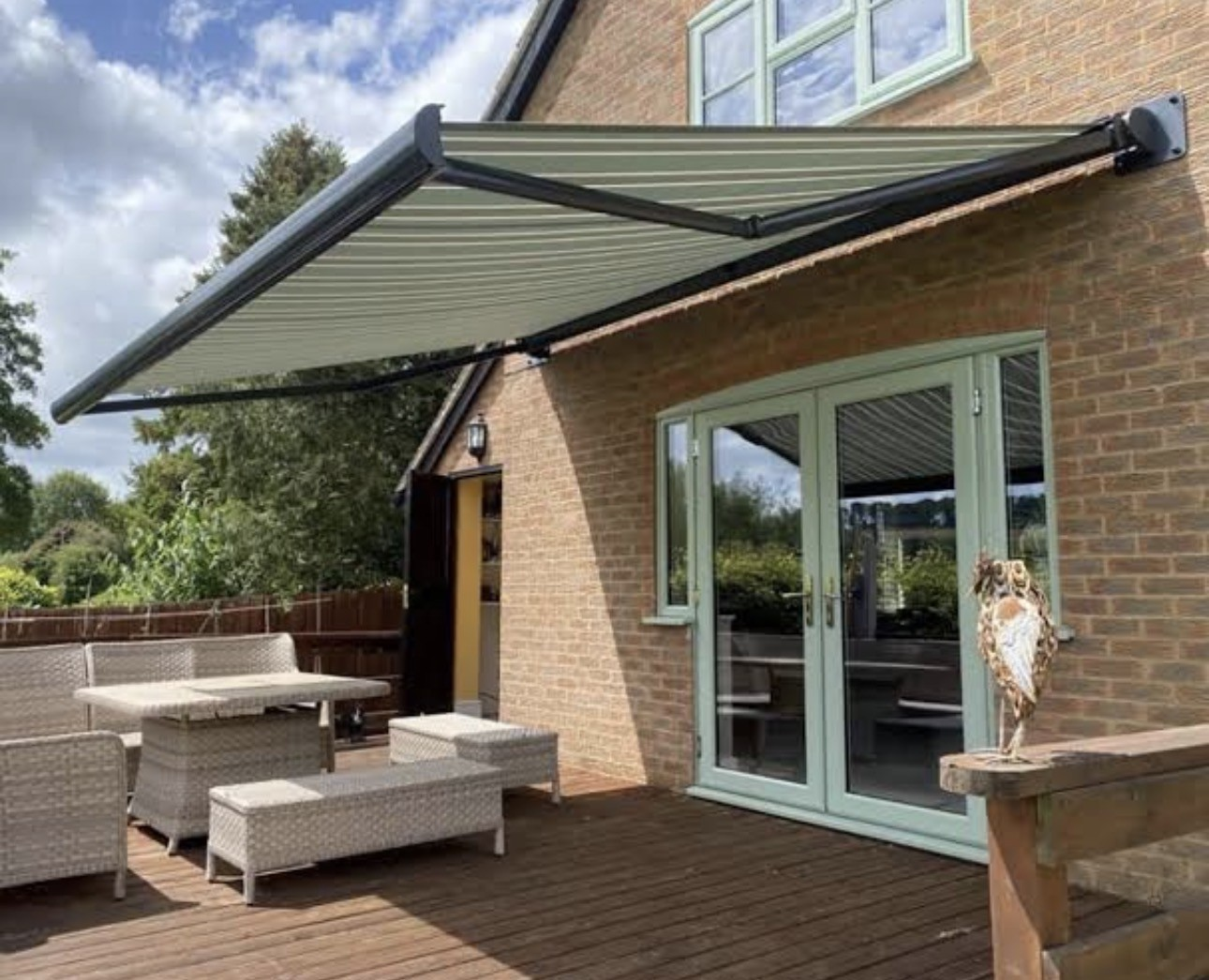
- An awning or canopy over the glazing
Deal with the roof or do not bother
The roof is the largest glazed area and it faces the sun for the longest part of the day. Cover the sides and leave the roof and the room still heats to the point of being unusable by early afternoon in July.
The same is true in reverse in winter, heat leaves upwards, so an uncovered roof keeps the room cold no matter how well the walls are dressed.
Interior options
Pleated roof blinds fitted to the glazing bars are the standard interior route, often in a reflective-backed fabric that bounces some of the solar energy back before it enters. Side blinds then handle glare and privacy at eye level.
Shutters work well on the vertical elevations of a conservatory or orangery, particularly where you want the room to read as part of the house rather than as a glass box.
External shading
Stopping the sun before it hits the glass is always more effective than absorbing it afterwards. A retractable awning over a south-facing conservatory elevation or across the adjoining patio makes a bigger temperature difference than any internal blind.
It also gives you usable shaded outdoor space, which is often what the customer actually wanted.
Ventilation is half the answer
Blinds slow the heat gain; airflow removes the heat that gets in. Roof vents, a door propped at the opposite end of the room and even a simple cross-draught change the peak temperature substantially. Plan the two together rather than expecting fabric to do all the work.
Common questions
Will roof blinds make my conservatory usable in summer?
Combined with ventilation, they make a large difference to peak temperature and remove the direct glare. Without any roof cover, side blinds alone rarely do.
Are external awnings better than internal blinds?
For heat, yes, blocking sun before it reaches the glass is more effective. Internal blinds are better for privacy, evening use and appearance, so many customers end up with both.
Can I have shutters in a conservatory?
On the vertical elevations, yes, and they look excellent in an orangery. The roof needs a pleated or fabric system rather than shutters.
Do conservatory blinds help in winter?
Roof blinds reduce the upward heat loss and make evenings noticeably more comfortable. Side blinds add to that but the roof is where the gain is.