
Comparison Guide
Shutters vs Blinds for Bay Windows
We sell both, so this isn't a sales pitch — it's an honest comparison of how plantation shutters and blinds actually perform on a bay window over the long term. Drawn from 20+ years of fitting both within 20 miles of Stockton Heath.
Cost over a 20-year window
A three-section splay bay in a typical Warrington Victorian terrace will cost roughly:
- Roller blinds: Written quote after a free survey. Realistic lifespan 5–7 years before fabric sun-damage or mechanism failure.
- Roman blinds: Written quote after a free survey. Lifespan 7–10 years.
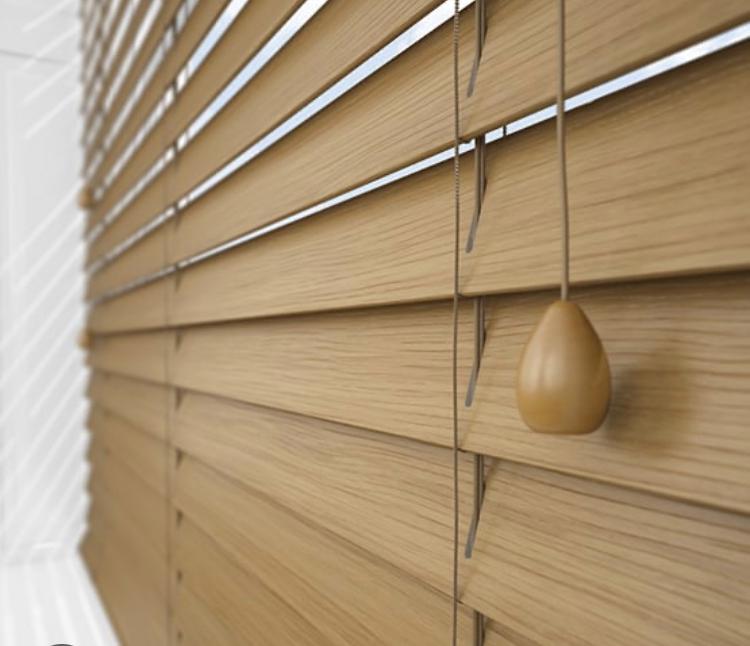
- Wooden venetian blinds: Written quote after a free survey. Lifespan 8–12 years; tapes are usually the failure point.
- Plantation shutters: Written quote after a free survey. Lifespan 20+ years (we still service shutters we fitted in 2005).
Over 20 years, you'll replace roller blinds 3–4 times. Total spend ends up close to or above the single shutter installation.
How each handles the bay shape
Blinds treat a bay as three (or more) separate windows. You end up with three individual blinds, each operating independently, with visible gaps at the angled joins. Light leaks between the panels. The joins are the most-complained-about aspect on bay-window blinds.
Shutters are built as one continuous frame following the bay angles, with mitred T-posts that close the joins completely. Visually it reads as a single architectural feature rather than three separate dressings.
Light, privacy, and the west-facing problem
A significant share of Warrington's Victorian bays face west or south-west (the standard street orientation in Latchford, Bewsey and Howley). They catch direct evening sun for 3–5 hours in summer. Roller blinds give you a binary choice: glaring sun, or blacked-out room. Roman blinds the same. Shutters with tilting louvres let you keep the bay luminous while killing the direct beam.
On privacy, both work — but shutter café-style is the only option that gives bottom-half privacy while leaving the upper bay fully glazed for light. Blinds either cover or don't.
When blinds actually win
Written quote after a free survey.
Visit the Showroom
Drop into Chapel Lane WA4 6LL to handle real samples before you decide.
Upfront Cost
Blinds win
Light Control
Shutters win
Lifespan
Shutters: 20+ yrs
Resale Value
Shutters add it
Common Questions
Frequently asked
Are shutters or blinds cheaper for a bay window?
Written quote after a free survey. Per-year cost over a 20-year lifespan is roughly equivalent or in favour of shutters, since blinds usually need replacing twice in that time.
Which gives better light control on a bay window?
Shutters, comfortably. Tilting louvres let you keep the bay bright while blocking direct sun angle. Blinds are binary — fully up or fully drawn. On a west-facing Warrington bay catching late-afternoon sun, this difference matters daily.
Do shutters or blinds add more value to a Warrington home?
Shutters consistently. Local estate agents (we work with several across Stockton Heath and Lymm) report that shutters are referenced as a feature in listings and described as 'stay-with-the-house' items. Blinds rarely get a mention.
Are blinds easier to clean in a bay?
Roller and Roman blinds are quicker to dust. Shutter louvres take a few minutes per window with a microfibre cloth. Venetian blinds (the most direct visual competitor to shutters) are the hardest of the three to clean.
Get Started
Ready to transform your windows?
Book your free home consultation today. We'll measure, advise and quote — with no obligation.